VN

How Long Do Electrical Cables Last? 5 years, 10 years, or can they last up to 50 years? In reality, there is no fixed lifespan for electrical cables, as their durability depends on several factors, including:
- The quality and construction of the electrical cable
- Cable temperature and overload conditions
- The cable installation environment
In addition, this article analyzes the signs that an electrical cable needs to be replaced and provides several solutions to help electrical engineers and contractors make informed decisions when selecting suitable cables, helping minimize cable aging during operation.
1. How Long Do Electrical Cables Last?
Electrical cables are an essential component of electrical systems, transmitting electrical current from the power source to electrical equipment. However, there is no fixed lifespan that applies to all types of electrical cables. Their service life depends on cable quality, operating conditions, installation methods and the surrounding environment.
2. Factors Affecting the Lifespan of Electrical Cables
Below are the key factors that can directly affect the lifespan of electrical cables and are often overlooked:
2.1. Quality and Construction of Electrical Cables
The quality of the materials used to manufacture an electrical cable plays an important role in determining its service life.
Depending on the cable type, products may be designed, manufactured, and tested according to TCVN (Vietnamese national standards), IEC (International Electrotechnical Commission) or other applicable technical standards.
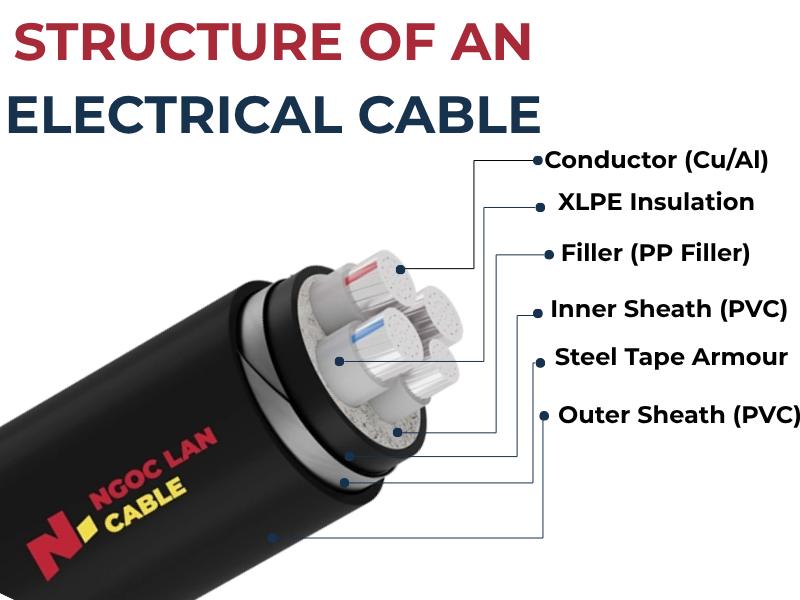
Depending on the intended application and installation conditions, the construction of electrical cables may consist of multiple layers:
- Conductor: The component that directly carries electrical current, typically made of copper (Cu) or aluminum (Al).
- Insulation layer: Materials such as PVC or XLPE are used to insulate and protect the conductor.
- Filler layer: May be made from PP yarn and is used to maintain the cable's structure.
- Water-blocking layer: Helps prevent water from spreading into the inside of the cable, depending on the cable construction and technical requirements.
- Armour layer: Made from steel tape armour (DSTA – Double Steel Tape Armour) or aluminum tape armour (DATA), providing additional protection against mechanical impacts and installation conditions.
- Protective sheath: May be made from PVC, LSZH or other suitable materials depending on the product requirements. Different sheath materials can provide different levels of protection against mechanical impact, heat, moisture, chemicals and fire-related characteristics.
2.2. Temperature and Cable Overload Conditions
Temperature and overload conditions are factors that can directly affect the lifespan of electrical cables. During cable installation, it is important to consider the ambient temperature and the heat dissipation conditions at the installation location. Choosing an appropriate installation method and location helps prevent cable overheating and poor heat dissipation, which can affect cable service life and operating performance.
When a cable is operating, the flow of electrical current through the conductor generates heat. If a cable regularly operates at a high current or in a high-temperature environment with poor heat dissipation, heat can accumulate and accelerate the aging of the insulation layer, reducing the cable's durability and service life.
Therefore, it is important to select a cable with an appropriate current-carrying capacity while ensuring suitable installation and heat dissipation conditions for the actual environment of the project.
2.3. Suitable Installation Environment for Electrical Cables
The installation environment has a significant impact on the service life and operating performance of electrical cables. Therefore, the cable should be selected according to the actual environmental conditions of the project, particularly temperature, humidity, water exposure, chemicals, and mechanical impacts.
If electrical cables are installed in unsuitable environments, such as:
- Areas with high humidity
- Areas prone to flooding or water exposure
- Areas where animals or insects may damage the cable
- Areas frequently exposed to oil, solvents, or chemicals
- Areas subject to mechanical impact, vibration, or physical stress
- Areas with high levels of dust or corrosive agents
These conditions can affect the cable sheath and insulation, reducing their durability and ability to protect the conductor inside. Under unfavorable conditions, the cable may experience reduced insulation performance, increasing the risk of electrical leakage, short circuits or other unwanted failures during operation.
Therefore, before installation, it is necessary to assess the environmental conditions of the project and select a cable type, insulation material, sheath and protective construction that are suitable for the application.
3. Signs That an Electrical Cable Needs to Be Replaced
Electrical cables can deteriorate over time due to temperature, overload, installation conditions or operating environments. When abnormal signs are detected, the cable should be inspected to determine its condition and whether replacement is necessary to minimize potential risks to the electrical system.
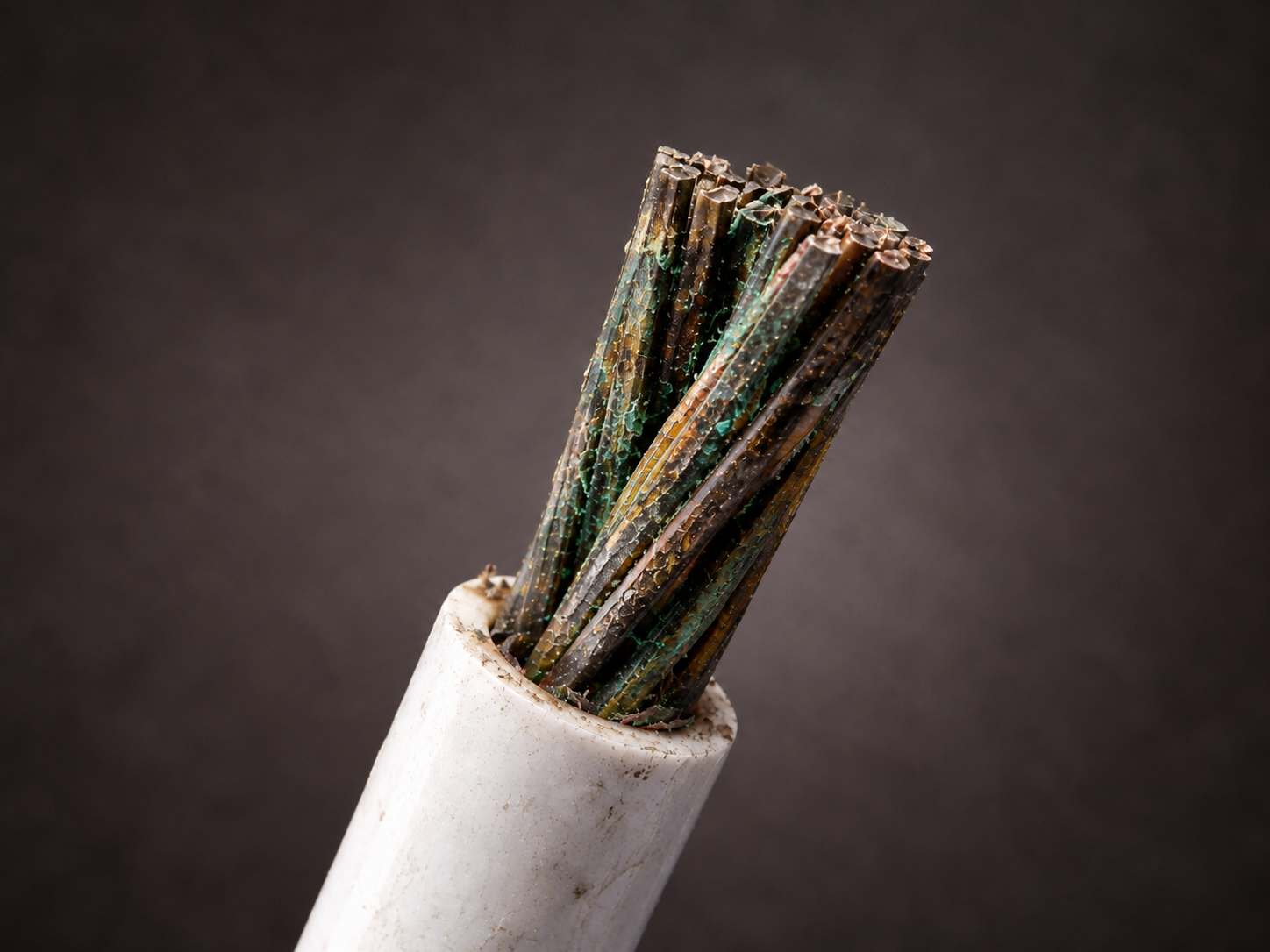
One of the most visible signs is physical damage to the cable, such as:
- Cracked, torn, or frayed cable sheath
- Swollen or deformed sheath
- Burn marks or unusual discoloration
- Corrosion or rust on metal components
- Peeling or deteriorating sheath
- Signs of damage caused by impact, excessive pulling or mechanical stress
- Signs of damage caused by animals or insects biting or damaging the sheath
- Water or signs of moisture inside connection points or cable termination areas
These types of damage can reduce the cable's protective and insulation performance, increasing the risk of electrical leakage or signal interference. When these signs occur or become persistent, a technical inspection should be conducted to assess the cable's condition and determine whether replacement is necessary.
4. Frequently Asked Questions (FAQ)
4.1. How Can You Extend the Lifespan of Electrical Cables?
To extend the lifespan of electrical cables, select cables with the correct technical specifications, install them according to proper procedures, and use them in a suitable environment. Depending on the cable type, materials, operating conditions and level of maintenance, electrical cables can remain in service for many years and may last 20, 30 years or longer under suitable conditions.
4.2. How Should Electrical Cables Be Maintained?
The condition of electrical cables should be inspected periodically, particularly at cable terminations, connection points and areas exposed to harsh environmental conditions. Monitor for signs such as cracking, swelling, burn marks, discoloration, corrosion or unusual overheating so that potential problems can be inspected and addressed promptly.
5. Solutions to Extend the Lifespan of Electrical Cables
To extend the lifespan of electrical cables and minimize premature deterioration or situations where cables no longer meet project requirements, you can apply the following solutions:
- Select the right cable: Choose the appropriate cable construction, conductor size, and protective materials based on the electrical load, installation method, and operating environment.
- Install and store cables properly: Avoid excessive pulling, impact, and excessive bending. Keep cable ends properly sealed and store cable drums in a dry location away from water, chemicals, and other damaging factors.
- Conduct periodic inspections: Monitor cable conditions, especially when signs such as cracking, swelling, burn marks, discoloration, or unusual overheating appear, so that the cable can be inspected and corrective action can be taken promptly.
In summary, there is no fixed number that defines the lifespan of an electrical cable. Its actual service life largely depends on material quality, operating conditions, and the installation environment. Investing in compliant, high-quality electrical cables from the beginning is a practical approach to construction and cost optimization, helping ensure the safety and reliability of the entire electrical system.
If you are unsure which cable type or construction is suitable for your project, contact our team and provide information about the electrical load, voltage, installation environment, and installation method. Ngoc Lan Cable will support you in selecting a cable solution that meets the technical requirements of your project.